Cement Plant Instrumentation Solutions for Kiln, Mill, Silo and Stack Monitoring
Cement plants operate with dust, heat, vibration, heavy material movement and continuous production demands. From raw material handling to raw mills, preheaters, rotary kilns, coolers, coal mills, cement mills, silos and stack monitoring, each area needs reliable measurement. TIPL supports cement plants with instrumentation for temperature, pressure, flow, level, gas analysis, emissions, thermal imaging, fire detection and plant safety monitoring.
Are Kiln, Silo, Mill or Stack Issues Affecting Cement Plant Reliability?
Kiln temperature visibility limited?
Poor kiln, cooler or preheater visibility can affect process stability, fuel use, refractory health and production reliability.
Silo level readings unreliable?
Dust, build-up and uneven material surfaces can disturb level monitoring in raw meal, clinker, coal and cement silos.
Mill or utility readings varying?
Pressure, flow and temperature variation can affect mill operation, cooling, compressed air and plant utility performance.
Stack monitoring becoming critical?
Dust, gas and emission monitoring gaps can affect compliance confidence, reporting and process diagnosis.
If Yes, TIPL Is Here to Help-
TIPL supports cement plants across raw material handling, raw mill, kiln feed, preheater, precalciner, rotary kiln, clinker cooler, coal mill, cement mill, silos, utilities and stack monitoring points. With solutions covering temperature, pressure, flow, level, gas analysis, emissions, thermal imaging, fire detection and surveillance, TIPL helps teams improve reliability in dusty and high-temperature cement plant conditions.
Cement plants need strong visibility across kiln, mill, silo, utility, dust and safety areas where small process gaps can affect uptime, energy use and compliance.
Raw Material Handling
Level and safety monitoring help prevent feeding gaps, transfer issues and material instability.
Ensure consistent cement quality by monitoring key parameters, preventing discrepancies, and boosting product strength.
Optimization
Maximize efficiency with real-time monitoring, reducing resource waste, energy consumption, and production costs.
Reliability
Minimize downtime with predictive maintenance tools, ensuring proactive repairs and preventing unplanned breakdowns.
Compliance
Easily meet environmental and safety regulations with comprehensive monitoring for emissions, water quality, and air safety.
Why Choose TIPL for Cement Plant Instrumentation?
Reliable, Customized Solutions to Optimize Your Plant’s Performance, Ensure Compliance, and Maximize Efficiency.
Kiln Focus
Mill Coverage
Dust Review
Silo Support
Emission Support
Lifecycle Care
Why Choose TIPL for Cement Plant Instrumentation?
Reliable, Customized Solutions to Optimize Your Plant’s Performance, Ensure Compliance, and Maximize Efficiency.
Comprehensive Support
Compliance & Safety
Proven Results
Comprehensive Support
Compliance & Safety
Proven Results
Kiln Focus
Mill Coverage
Dust Review
Silo Support
Emission Support
Lifecycle Care
About TIPL
We Support Cement Plant Instrumentation
TIPL supports cement plants with measurement solutions for kiln, mill, silo, cooler, utility, safety and emission applications. Toshniwal Industries Pvt. Ltd. supports industrial plants with measurement, monitoring and process-control solutions across temperature, pressure, flow, level, gas analysis, liquid analysis, surveillance, safety and calibration applications. With 65+ years of industrial experience, 61 product categories, NABL-accredited calibration support and manufacturing support from Ajmer, Rajasthan, TIPL helps industries select reliable instrumentation for real plant conditions.
Toshniwal Industries Pvt. Ltd. (TIPL) is a leading manufacturer of industrial measurement and process control instruments. Established in 1959, TIPL has earned its reputation in the Indian and global markets by supplying high-quality products. Our manufacturing plant and corporate office are situated in Ajmer, Rajasthan, India. We are ISO 9001:2015, ISO 45001:2018, and ISO 13485:2016 certified.
Discover tailored solutions for your unique needs.
Continuous Emission Monitoring System (CEMS)
CEMS provides real-time monitoring of industrial emissions like SO₂, NOx, CO, and CO₂ to ensure compliance with CPCB/SPCB norms. Designed for harsh environments, it offers accurate, reliable data for cleaner, safer, and compliant operations across industries.
Surveillance CCTV systems provide real-time visual monitoring of critical plant areas to enhance safety, security, and operational visibility. Built for harsh industrial environments, they deliver clear, reliable footage to prevent incidents, enable faster response, and ensure continuous plant oversight.
Fire Detection Systems enable early detection of fire risks through real-time monitoring of smoke, heat, and flame. Designed for demanding industrial conditions, they ensure rapid alerts and response to protect assets, personnel, and operations while maintaining safety compliance.
Ensuring Environmental Compliance with CEMS: A Step Ahead
Learn how Continuous Emission Monitoring Systems (CEMS) help industries stay compliant with environmental norms, providing real-time emission data, remote monitoring, and actionable insights for sustainable and responsible manufacturing.
How Predictive Maintenance is Transforming Industrial Efficiency
Discover how advanced monitoring tools like vibration and ultrasound solutions are helping industries move from reactive to predictive maintenance—reducing downtime, extending equipment life, and optimizing productivity across critical operations.
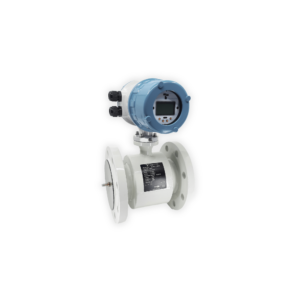
Cement plants use temperature sensors, pyrometers, pressure transmitters, flowmeters, level transmitters, gas analyzers, CEMS, thermal imagers and safety systems.
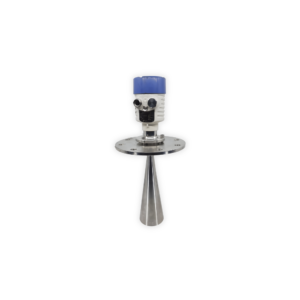
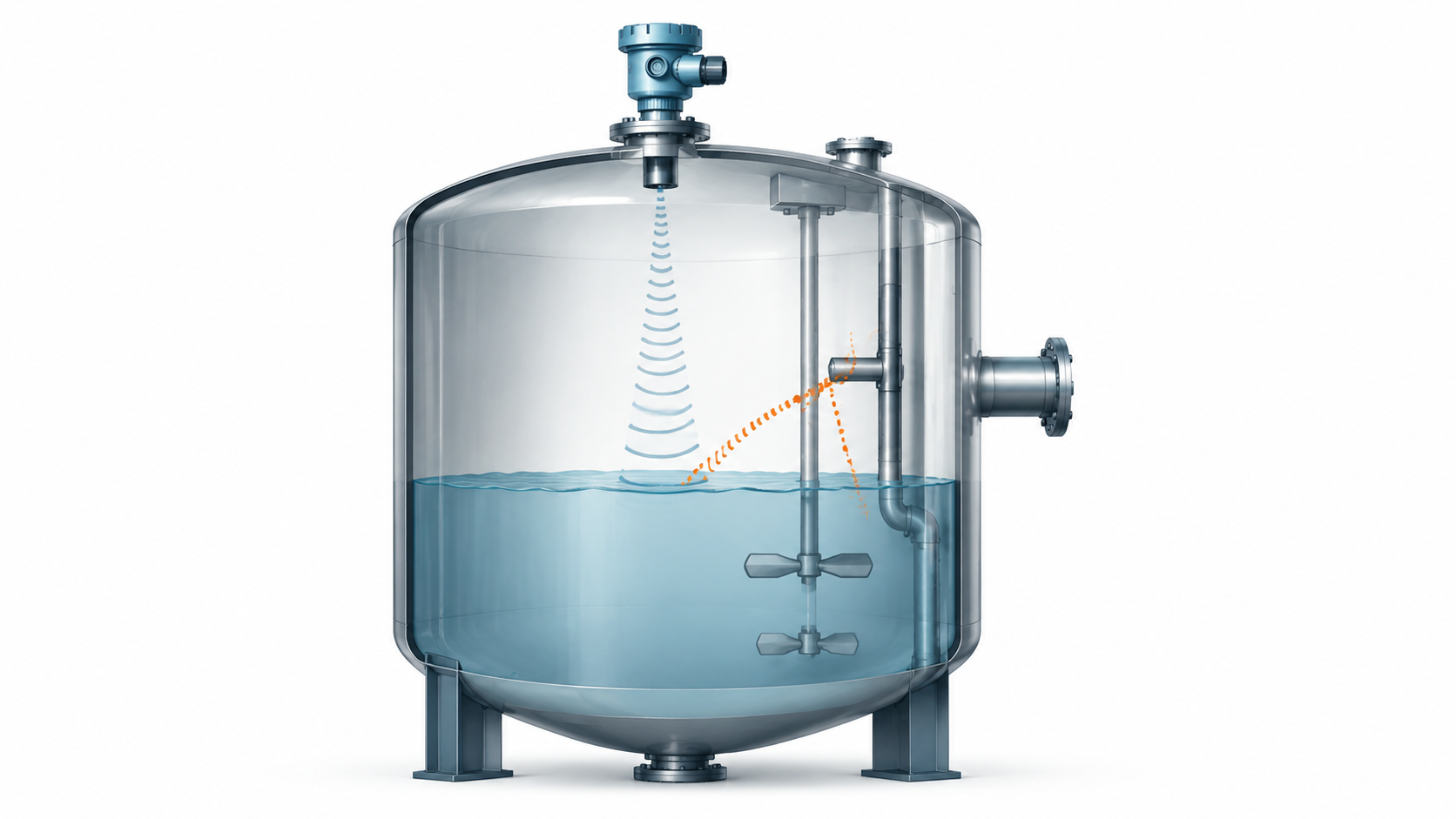
Dust, build-up, uneven surfaces and material movement can disturb level readings in raw meal, clinker, coal and cement silos.
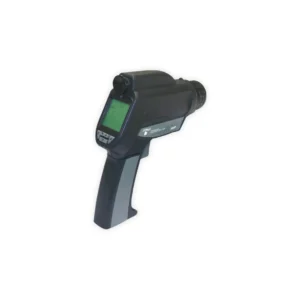
Cement kiln areas commonly use temperature sensors, gas analyzers, thermal imagers, pyrometers and monitoring systems.
CEMS supports stack emission monitoring, environmental reporting, compliance documentation and process visibility.
TIPL reviews dust, temperature, vibration, measuring range, mounting point, process area, output need and service access.