


Now offering advanced Process Optimization and CEMS solutions for all major industries.
Shop By Products
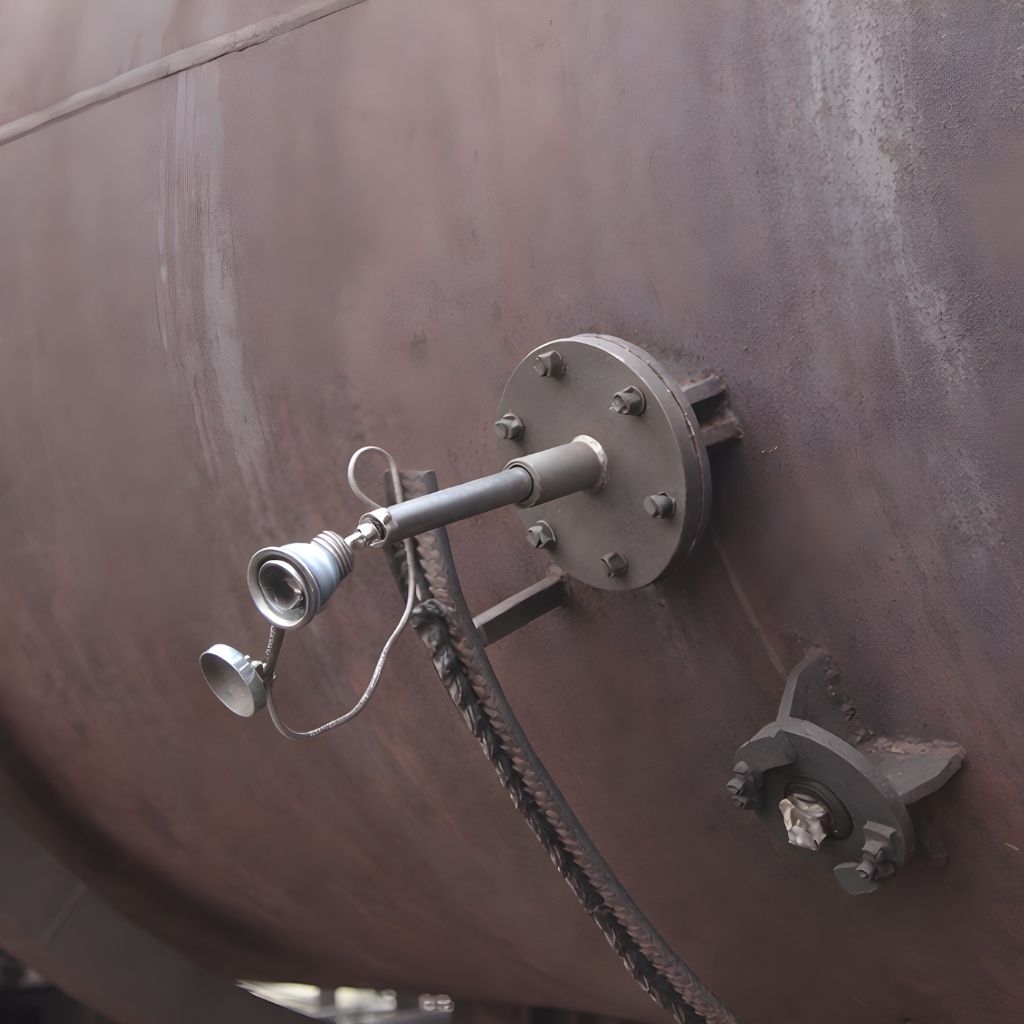

Temperature measurement helps plants monitor heat, control process conditions and protect equipment. It also supports stable production. Therefore, accurate temperature data plays an important role in process safety, quality and maintenance.
TIPL offers temperature measurement solutions for contact temperature sensing and signal transmission. This range includes Thermocouples, RTDs, extension and compensating cables, and temperature transmitters for industrial applications.
However, every process needs the right selection. So, users should check the temperature range, sensor type, mounting style, output signal, cable route and site condition before choosing a product.
The right product depends on its role in the temperature measurement loop. First, choose the sensing element. Next, check whether the signal needs transmission to a PLC, DCS, SCADA or control room. Then, review the mounting and wiring requirement.
| Requirement | Best Suited For | Category to Review |
|---|---|---|
| Direct temperature sensing | Contact temperature measurement in pipes, tanks, vessels, furnaces, machines and process equipment. | Thermocouple & RTD |
| Stable process signal | Converting RTD or thermocouple input into a standard output for PLC, DCS, SCADA or control room use. | Temperature Transmitter |
Note: Final selection should depend on process temperature, accuracy need, response time, mounting location, cable route, hazardous area need and control system input.
| Product Type | Main Role | Products to Review |
|---|---|---|
| Thermocouple | Measures high process temperature through contact sensing. | Thermocouple |
| RTD Sensor | Measures process temperature where stability and accuracy are important. | Resistance Temperature Detector |
| Extension & Compensating Cable | Extends thermocouple and sensor signals from field points to instruments or panels. | Extension & Compensating |
| DIN Rail Temperature Transmitter | Converts temperature input into process signals from panel or control cabinet locations. | DIN Rail Mount Temperature Transmitter |
| Field Mounted Temperature Transmitter | Supports field-level temperature signal transmission in industrial process areas. | Field Mounted Temperature Transmitter |
| Head Mount Temperature Transmitter | Fits inside sensor heads and converts RTD or thermocouple input close to the measuring point. | Head Mount Temperature Transmitter |
Start with the application. After that, match the sensor, transmitter and cable with the process condition. This approach helps reduce wrong selection and improves measurement reliability.
Thermocouples and RTDs both measure temperature. However, they fit different applications. A thermocouple often suits higher temperature and rugged use. An RTD often suits applications where accuracy and stability are more important.
A temperature transmitter does not measure temperature by itself. Instead, it takes input from an RTD or thermocouple. Then, it converts that signal into a stable output for control systems.


