


Now offering advanced Process Optimization and CEMS solutions for all major industries.
Shop By Products
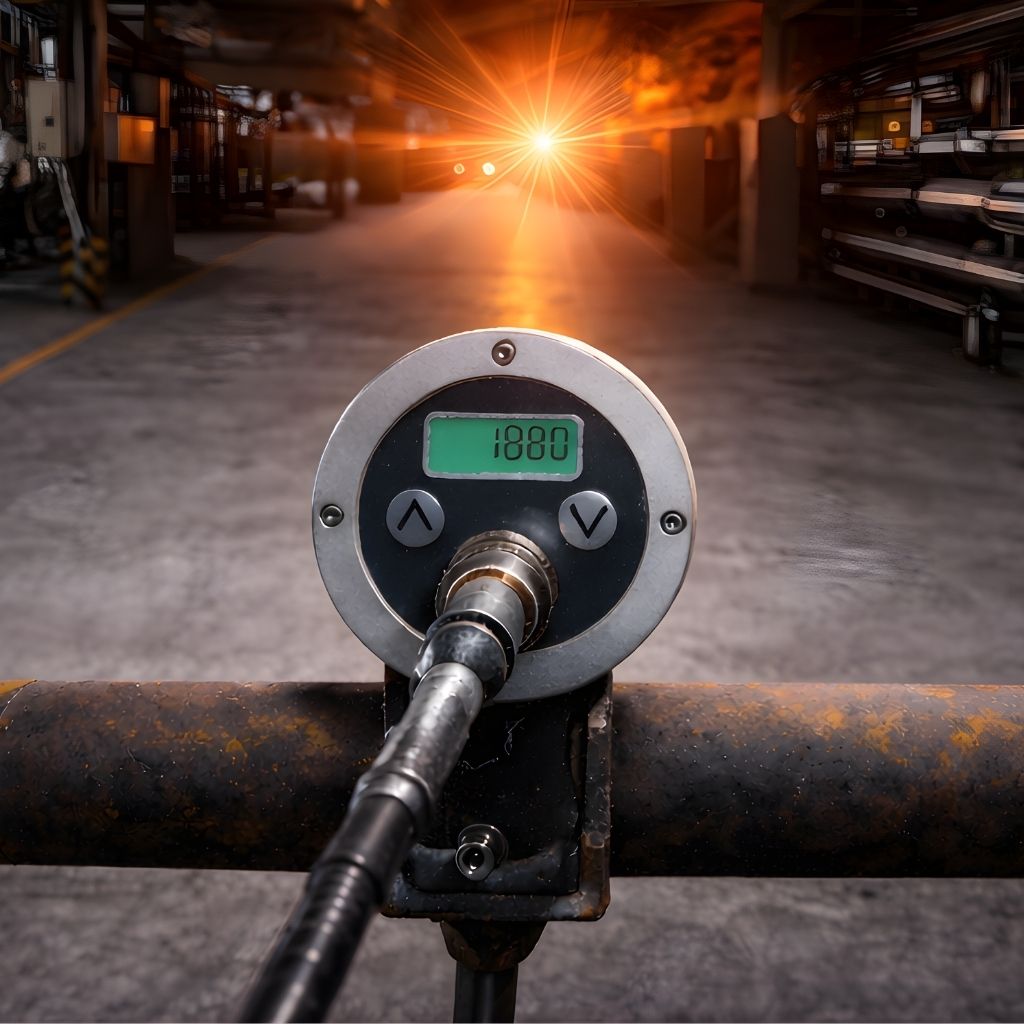

Plants use infrared thermometers when they need to measure temperature without touching the target. This need usually comes up when the surface is moving, the process is too hot for contact measurement, access is difficult, or response time matters. As a result, industries use infrared thermometers in steel plants, furnaces, process lines, machine building, maintenance work and other high-temperature applications.
TIPL offers infrared thermometers for industrial non-contact temperature measurement in both fixed and handheld use. The range includes online infrared thermometers for continuous installation and portable infrared thermometers for field inspection and spot checks. Therefore, users can choose the right product according to the actual job on site, not just by product name.
This distinction matters because different applications need different measurement approaches. For example, some jobs need a permanently mounted instrument that sends a continuous signal to the control system. In contrast, other jobs need a handheld unit that moves with the technician from one inspection point to another. In tougher applications, users may also need to consider target size, emissivity condition, measuring distance, ambient heat, or a separate-head or fibre optic arrangement.
Start with the measurement method. First, decide whether the application needs continuous installed monitoring or portable field use. Next, review the process condition, target material and working environment. Then select the product category that best fits the job.
| Category | Best Fit | Review Products |
|---|---|---|
| Online Infrared Thermometer | Continuous non-contact temperature measurement on machines, process lines, hot materials and OEM equipment. | IRK, IRDLT, IRV, IRT, IRFP, IRQ, IRQWD, IRF and IRC series. |
| Portable Infrared Thermometer | Handheld temperature checks for maintenance, inspection, troubleshooting and portable high-temperature measurement. | IRN, IRP-COK, IR105VH, IR130VH, IR65VS, IR105VS, IR185VHK, IR65FS, IRP 1M/2M and IRP 1R/2R series. |
Note: Final selection should depend on target temperature, target size, measuring distance, surface condition, mounting arrangement, ambient condition and output requirement.
This category covers more than one type of user need. For example, some models support continuous installed measurement. Others support inspection rounds, service work or portable high-temperature use. So, instead of selecting only by whether the instrument is called a pyrometer or an infrared thermometer, users should match the product family to the actual application.
| Product Family | Main Role | Best Fit |
|---|---|---|
| Online Infrared Thermometer | Fixed-position non-contact temperature measurement. | Continuous monitoring on machines, hot process lines, OEM systems and industrial equipment. |
| Portable Infrared Thermometer | Handheld field inspection and spot temperature checks. | Maintenance rounds, troubleshooting, utility checks and portable industrial measurement. |
Selection should start with the application, not the model code. First, check whether the job needs continuous installed measurement or handheld field use. Then review the target temperature, target size, measuring distance and surface condition. After that, check site conditions such as dust, smoke, ambient heat, access and signal requirement. Finally, compare the product family with the actual process need.
An online infrared thermometer remains installed and monitors temperature continuously. Therefore, it fits applications that need repeat measurement, machine mounting, process integration or continuous output.
A portable infrared thermometer gives the operator more flexibility. As a result, it suits maintenance teams, field checks, troubleshooting and spot measurements across multiple locations.


