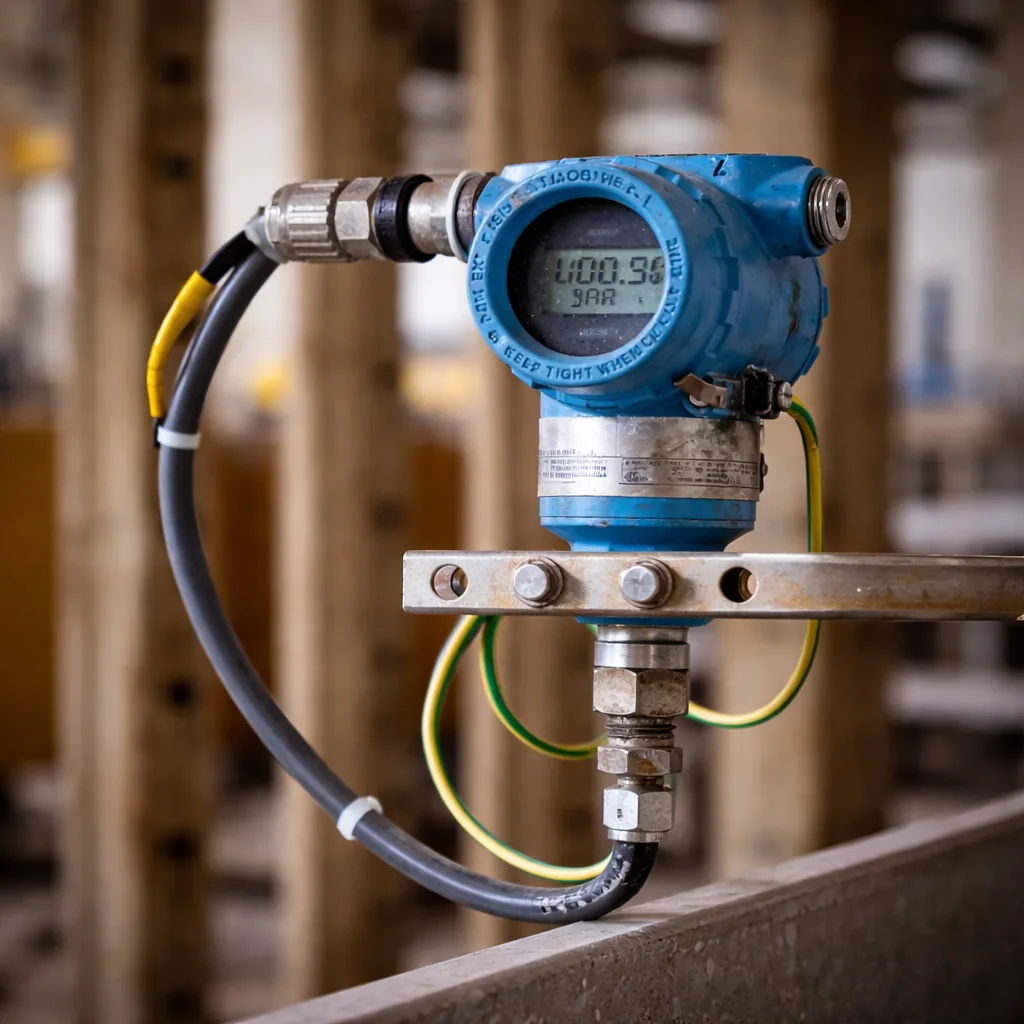
Pressure Transmitter for Industrial Process Monitoring
A pressure transmitter helps plant teams measure and monitor process pressure in pipelines, tanks, vessels, pumps, compressors and utility systems. It converts pressure into a usable output signal for indication, control or monitoring. As a result, operators can track pressure changes and respond earlier when process conditions move outside the expected range.
TIPL offers pressure transmitter models for industrial applications where pressure range, media condition, communication protocol and mounting type matter. The range includes compact pressure transmitters, smart HART pressure transmitters, Profibus PA pressure transmitters, flush mount pressure transmitters and remote seal pressure transmitters.
Different processes need different transmitter designs. For example, clean water or air lines may need a compact model. However, viscous, sticky, corrosive or high-temperature media may need a flush diaphragm or remote seal arrangement. Therefore, selection should start with the process media, pressure range, temperature, connection type and output requirement.
Pressure Transmitter Models in This Category
Where Pressure Transmitters Are Used
Pressure transmitters are used across plant areas where stable pressure monitoring supports operation, control and maintenance decisions. They are commonly installed on process lines, pumps, boilers, compressors, tanks and utility systems. Also, they can support process control loops, local monitoring, remote indication and reporting.
- Pipeline pressure monitoring
- Pump discharge pressure measurement
- Boiler and steam pressure monitoring
- Compressor pressure monitoring
- Tank and vessel pressure measurement
- Water, air, gas and liquid pressure monitoring
- Hydraulic and utility pressure checks
- Process control and automation applications
When to Choose a Compact Pressure Transmitter
A compact model is useful when the application needs basic industrial pressure monitoring in limited space. It can suit small machines, skids, hydraulic systems, pump lines and utility points. However, users should still verify pressure range, process connection, output signal and media compatibility before selecting the model.
When to Choose HART or Profibus PA
Smart communication becomes important when users need configuration, diagnostics or better integration with plant systems. A HART pressure transmitter can support 4–20 mA signal with digital communication. In contrast, a Profibus PA pressure transmitter is suitable where the plant uses fieldbus-based process automation and DCS communication.
When to Choose Flush Mount or Remote Seal
Flush mount and remote seal designs are useful when the media condition is challenging. For example, viscous, sticky, slurry-based, corrosive or high-temperature media may not be suitable for a standard direct-mounted transmitter. In these cases, a flush diaphragm or remote seal arrangement can help protect the sensing element and improve measurement reliability.
How to Select the Right Pressure Transmitter
Correct selection starts with the application details. First, define whether the measurement is gauge pressure or absolute pressure. Then, check the pressure range, media type, process temperature, connection size, mounting arrangement and output requirement. After that, review whether the plant needs HART, Profibus PA, local display, remote seal or flush diaphragm construction.
- Pressure Type: Confirm gauge or absolute pressure measurement.
- Pressure Range: Select a range suitable for normal and maximum operating pressure.
- Media Condition: Check whether the media is clean, viscous, corrosive, hot, sticky or slurry-based.
- Mounting: Choose compact, threaded, flange, flush diaphragm or remote seal arrangement.
- Output: Review whether the system needs 4–20 mA, HART or Profibus PA communication.
- Application Role: Confirm whether the instrument is used for monitoring, control, reporting or safety indication.
Related Pressure Measurement Categories
Industries Using Pressure Transmitters
- Power
- Steel
- Cement
- Oil & Gas
- Chemicals & Fertilisers
- Water
- Pulp & Paper
- Food & Beverage