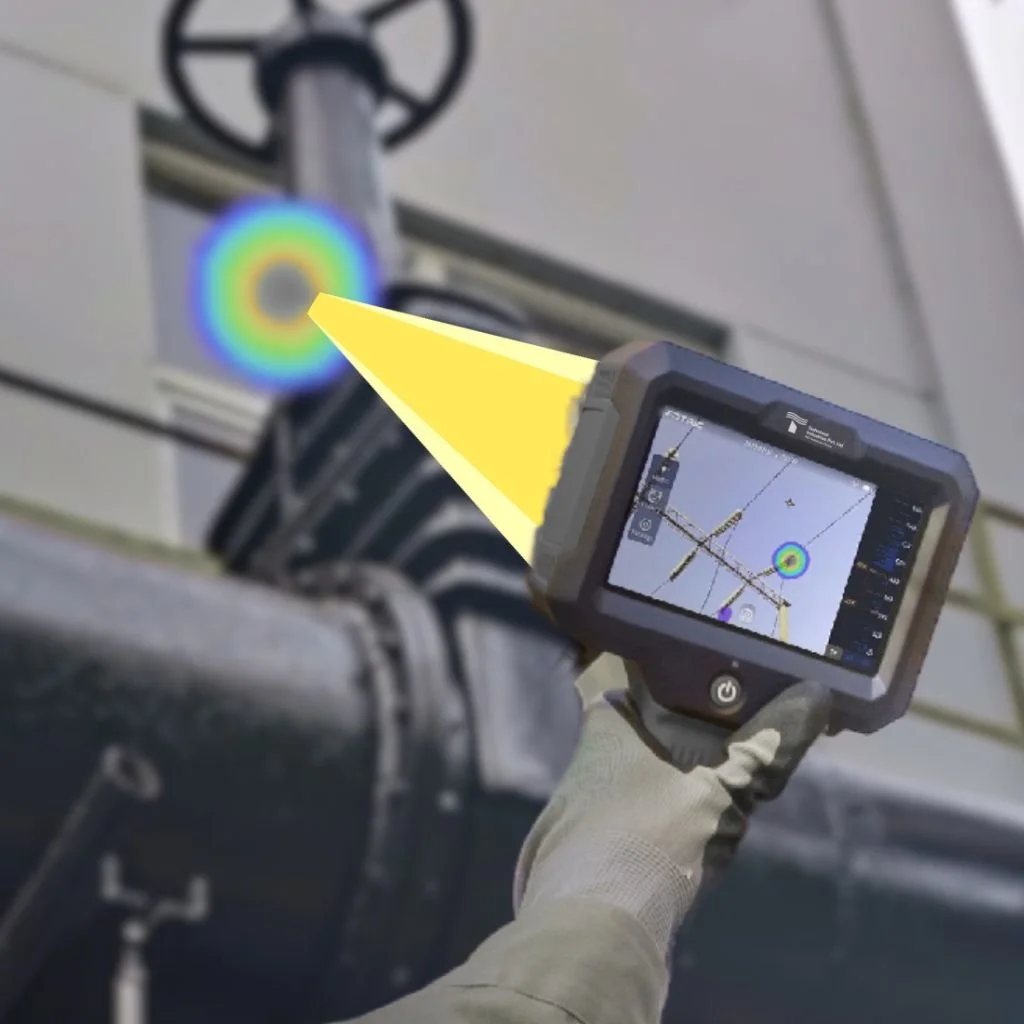
Acoustic Imaging Camera for Leak and Discharge Detection
An acoustic imaging camera helps plant teams locate sound-based faults faster. It detects sound from leaks, discharge points and abnormal acoustic sources. As a result, users can see the sound source on a visual image and act with better confidence.
These cameras are useful when the problem is difficult to see directly. For example, compressed air leaks, gas leaks and partial discharge can create sound before visible damage appears. Therefore, acoustic imaging helps teams find issues earlier during inspection rounds.
TIPL offers acoustic camera models for industrial leak detection and electrical inspection. So, users can select the right model based on microphone count, inspection distance, sound source, detection mode and reporting need.
Choose the Right Acoustic Camera
The right model depends on the inspection task. First, check whether the issue is a leak, discharge or abnormal sound source. Next, review the inspection distance and site noise. Then, select the model that matches the application.
| Inspection Need |
Best Fit |
Models to Review |
| Routine leak detection |
Compressed air leaks, gas leak checks, valve leakage, container leakage and energy waste audits. |
AI-H4 |
| Precise leak and discharge checks |
Partial discharge inspection, critical leak detection, high-voltage assets and demanding sound source location. |
AI-H6 |
Note: Final selection should depend on leak type, discharge source, inspection distance, background noise, asset height, access and reporting requirement.
Acoustic Camera Model Overview
Both AI-H4 and AI-H6 support industrial acoustic inspection. However, each model fits a different inspection need. Therefore, users should compare microphone count and application type before selection.
| Model |
Main Role |
Best Fit |
| AI-H4 |
Routine leak detection and compressed air audit support. |
Gas leak checks, compressed air leaks, valve leaks and energy loss surveys. |
| AI-H6 |
Precise leak detection and partial discharge inspection. |
High-voltage equipment, power cables, insulators and demanding acoustic source location. |
Where Plants Use Acoustic Imaging
- Compressed air leak detection in factories and utilities
- Gas leak checks in pipelines, valves, ducts and containers
- Partial discharge inspection in high-voltage equipment
- Power cable and insulator inspection
- Switchyard and electrical asset checks
- Valve leakage and container leakage detection
- Energy loss audits in compressed air systems
- Abnormal sound source location in noisy plant areas
- Routine industrial maintenance and inspection rounds
How to Select an Acoustic Imager
Start with the fault type. Then, check the source distance, sound level and background noise. After that, review the reporting, storage and software requirements.
- Fault Type: Check whether the inspection is for gas leak, compressed air leak or partial discharge.
- Microphone Count: Choose a higher microphone count for more demanding source-location tasks.
- Frequency Range: Review the sound frequency range needed for leak or discharge detection.
- Working Distance: Check the inspection distance for pipelines, valves, cables or elevated assets.
- Detection Mode: Use leakage mode for leaks and partial discharge mode for electrical faults.
- Reporting Need: Check image, video, annotation and software report requirements.
- Site Condition: Review noise, access, height, safety, lighting and inspection angle.
Acoustic Camera vs Thermal Camera
A thermal camera shows heat patterns. It helps users find hot spots, heat loss and abnormal heating in assets.
An acoustic camera detects sound sources. Therefore, it suits leak detection, partial discharge inspection and acoustic fault location.
So, the right choice depends on the fault. Choose thermal imaging when heat is the main indicator. However, choose acoustic imaging when sound from leakage or discharge is the key signal.
Industries Using Acoustic Imaging for Maintenance
- Power
- Oil & Gas
- Chemicals & Fertilisers
- Metals
- Steel
- Water
- Food & Beverage