

Now offering advanced Process Optimization and CEMS solutions for all major industries.
Shop By Products
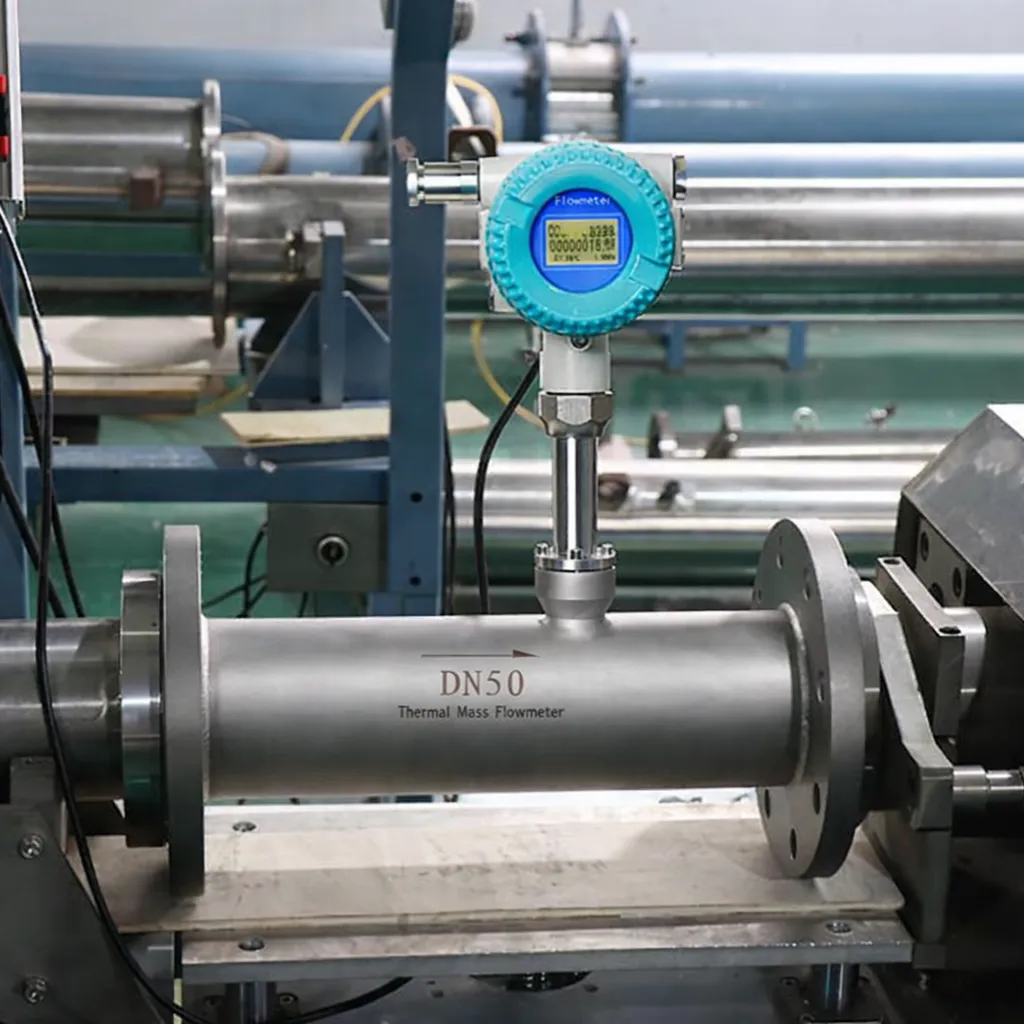

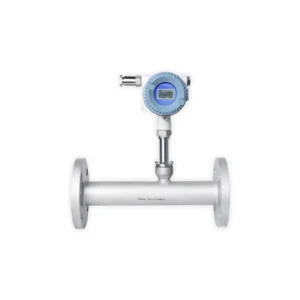
A thermal mass flow meter measures gas mass flow directly by using heat transfer between the sensor and the flowing gas. It helps plants monitor compressed air, nitrogen, biogas, natural gas and other suitable process gases. As a result, users can track gas consumption, leakage, utility usage and process demand more clearly.
TIPL offers thermal mass flow meter solutions for industrial gas flow measurement where mass flow, low pressure drop and continuous monitoring matter. This technology suits many air and gas applications because it does not need separate pressure and temperature compensation for standard mass flow output in many cases. Therefore, users can simplify gas flow monitoring in suitable process and utility lines.
This meter differs from liquid flow technologies. For example, electromagnetic flow meters work for conductive liquids, while thermal mass meters work mainly for gases. Therefore, users should select this technology only after checking gas type, pipe size, flow range, pressure, temperature, moisture condition and installation requirement.
| Product | Best Fit | Review Product |
|---|---|---|
| THMF | Industrial gas mass flow measurement for compressed air, nitrogen, biogas and suitable process gas applications. | Thermal Mass Flow Meter |
Gas utilities often run continuously in industrial plants. For example, compressed air, nitrogen and process gas lines can affect energy cost, production stability and utility planning. Therefore, gas flow monitoring helps users understand actual consumption instead of depending only on compressor capacity or estimated usage.
In addition, thermal dispersion technology can measure low gas velocities effectively in suitable applications. It also creates very low pressure drop because the sensor does not need an obstruction like some differential pressure systems. However, users must verify gas composition, cleanliness and moisture level before final selection.
A thermal mass flow meter works well when the application involves clean and suitable gas flow measurement. Plants often choose it for compressed air and process gas lines where direct mass flow indication helps with monitoring and control.
However, users should not treat it as a universal flow meter. Gas composition changes, moisture, dust, pressure variation and installation disturbance can affect performance. Therefore, the application data should guide the final selection.
Correct selection starts with the gas details. First, identify the gas type and composition. Next, check pipe size, flow range, operating pressure, temperature and moisture condition. After that, review insertion or inline mounting, straight-run availability, output signal and communication requirement.
Showing the single result