


Now offering advanced Process Optimization and CEMS solutions for all major industries.
Shop By Products
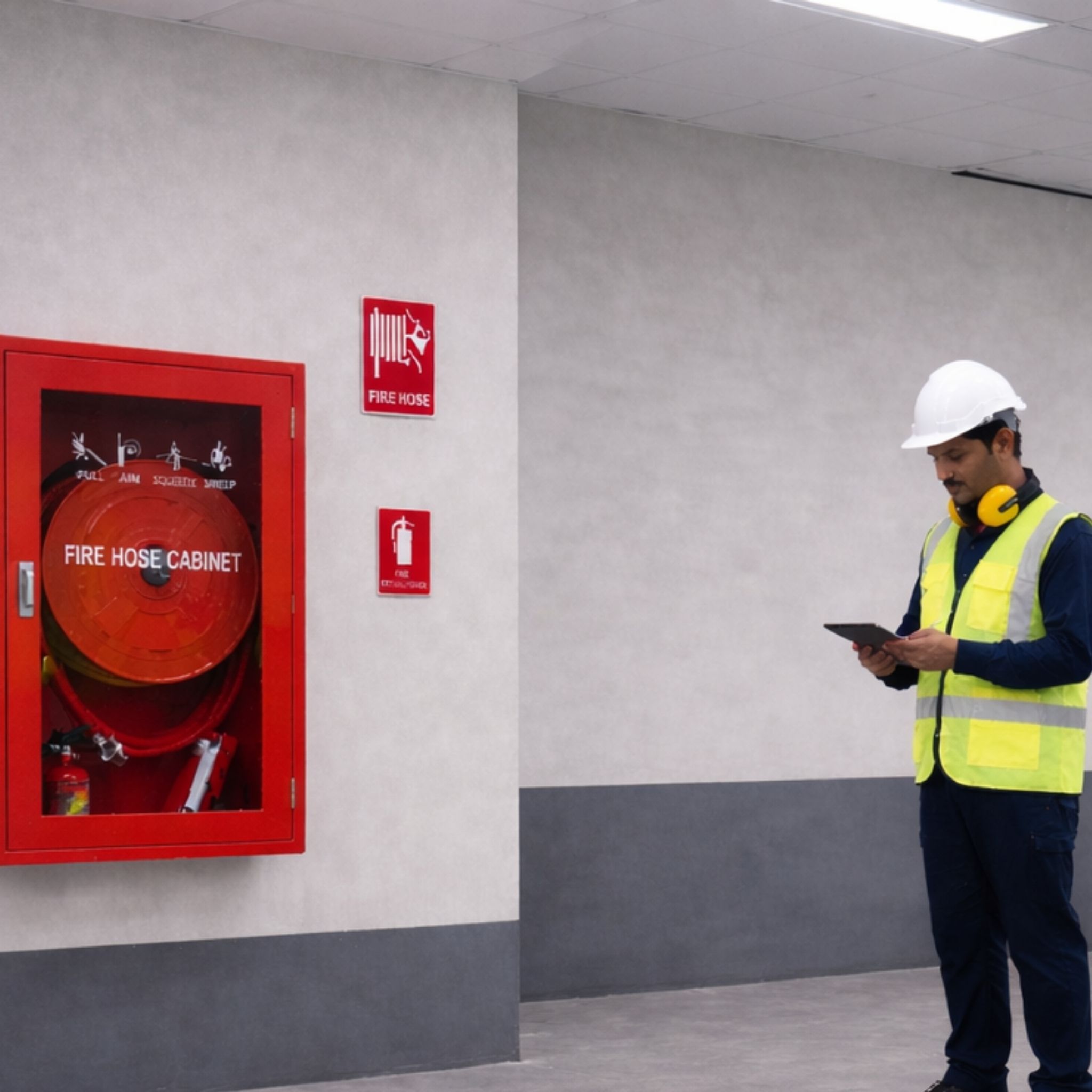

A fire alarm system helps industrial plants detect fire risk earlier and alert people before the situation becomes difficult to control. It supports plant safety by combining detection, manual alarm activation, audible and visual warning, control panel monitoring and first-response fire equipment. As a result, teams can respond faster during fire-related emergencies.
TIPL offers fire detection and alarm system products for industrial, commercial and plant safety applications. The range includes fire detectors, fire alarm control panels, manual call points, hooters, siren beacons and fire extinguishers for structured emergency response.
Industrial fire safety is different from basic building protection. A plant may include control rooms, electrical rooms, warehouses, utility areas, cable areas, process sections, storage locations and critical equipment zones. Therefore, users should select fire safety equipment based on area risk, fire type, alarm coverage, response requirement and site layout.
Start with the safety objective. First, identify whether the site needs automatic fire detection, manual alarm activation, audible and visual warning, alarm control or portable fire extinguishing support. Then, select the right product category accordingly.
| Category | Best Fit | Review Products |
|---|---|---|
| Detector | Automatic fire detection using smoke, heat or multi-sensor detection logic. | Multi Sensor Fire Detector MTD 533X. |
| Panel | Central monitoring, control and indication of fire alarm system devices. | Fire Alarm Control Panel EvoxX CF. |
| Manual Call Point | Manual fire alarm activation when a person notices fire or unsafe conditions. | Manual Call Point / Break Glass Unit MCP 545X. |
| Hooter | Audible and visual alarm indication for emergency warning and evacuation response. | Combined Siren and Flashing Light VTB-32. |
| Fire Extinguisher | Portable first-response fire fighting support for suitable fire classes and plant areas. | ABC, CO₂, foam and water CO₂ cartridge type fire extinguishers. |
Fire detectors are used where early warning is important. They help identify smoke, heat or fire-related conditions and send a signal to the fire alarm control panel. In industrial sites, detectors may be required in control rooms, electrical rooms, stores, offices, panels, utility areas and other fire-risk locations.
A multi-sensor fire detector can improve detection reliability because it uses more than one sensing principle. However, detector selection should always depend on the site environment, expected fire risk, dust condition, air movement, ceiling height and alarm system design.
A fire alarm control panel acts as the central monitoring point for the fire alarm system. It receives signals from detectors and manual call points, then supports alarm indication and response actions. Therefore, panel selection is important for system capacity, zoning, loop design, monitoring and future expansion.
Manual call points allow people to raise a fire alarm manually when they notice a fire or emergency condition. Hooters, sirens and flashing lights help alert people through audible and visual warning. Together, these devices support faster response across the plant.
Fire extinguishers support initial response when the fire type and site condition are suitable. Different fire risks need different extinguisher types. For example, ABC dry powder extinguishers are used for multipurpose fire risks, CO₂ extinguishers are often selected for electrical and control-room applications, foam extinguishers support flammable liquid fire risks, and water-based extinguishers suit Class A combustible materials.
Selection should not be based only on availability. Users should check the fire class, equipment risk, area type, operator access, maintenance requirement and safety procedure before selecting extinguishers for a plant.
Correct selection starts with the site risk. First, identify the area type, fire hazard and response requirement. Next, check whether the location needs automatic detection, manual call points, hooters, control panel monitoring or portable extinguishers. After that, review installation, wiring, zoning, maintenance and testing needs.


