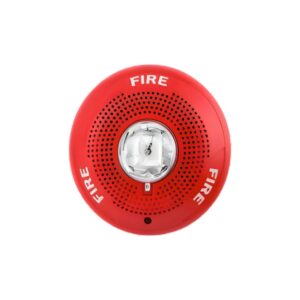
Fire Alarm Hooter for Audible and Visual Warning
A fire alarm hooter helps alert people when a fire alarm system detects an emergency condition. It provides a clear audible warning so that people in the affected area can respond quickly. As a result, plants can improve emergency communication and support faster evacuation or response action.
TIPL offers alarm warning devices for industrial and commercial fire safety systems where sound output, visual indication and emergency visibility matter. These devices can be used with fire alarm panels, manual call points and detection systems to support plant-wide alarm response.
In industrial sites, sound alone may not always be enough. Noise, machinery, distance, PPE and work conditions can reduce alarm awareness. Therefore, a combined siren and flashing light can improve warning effectiveness by giving both audible and visual indication.
Product in This Category
| Model |
Best Fit |
Review Product |
| VTB-32 |
Combined siren and flashing light for audible and visual alarm indication in fire alarm systems. |
Combined Siren and Flashing Light |
Why Alarm Warning Devices Matter in Plants
Fire detection is useful only when the warning reaches people quickly. A detector or manual call point can trigger the alarm, while the sounder or siren beacon helps communicate the emergency to the area. Therefore, alarm notification devices are an important part of the overall fire safety system.
In a plant environment, alarms should be selected based on area noise level, visibility, distance, mounting location and response requirement. For example, a utility area, warehouse, workshop or process support area may need a strong audible warning with visual indication.
Common Applications
- Fire alarm warning in industrial plants
- Audible and visual emergency indication
- Control room and electrical room alarm notification
- Warehouse and store alarm warning
- Utility area emergency alerting
- Workshop and maintenance area warning
- Factory fire alarm response systems
- Manual call point alarm indication
- Fire panel output alarm notification
- Plant evacuation and response support
When to Choose a Siren with Flashing Light
A siren with flashing light is useful when the site needs both sound and visual alert. This can help in areas where ambient noise is high or where visual confirmation of alarm status is important. In addition, flashing indication can help people identify the alarm location more easily.
However, final selection should depend on the fire alarm system design. Users should check operating voltage, sound level, flash visibility, mounting point, environmental condition and panel compatibility before choosing the device.
How to Select the Right Alarm Warning Device
Correct selection starts with the alarm coverage requirement. First, identify the area where the warning must be heard or seen. Then, review ambient noise, distance, visibility, mounting height and fire panel output. After that, select the suitable siren, beacon or combined audible-visual device.
- Area Noise: Check machinery noise, process noise and normal working sound level.
- Visibility: Use flashing indication where visual alarm confirmation is required.
- Mounting Point: Review wall, column or structure mounting and visibility direction.
- Panel Compatibility: Confirm voltage, output type and system connection with the control panel.
- Coverage: Ensure the alarm can be heard or seen across the intended area.
- Environment: Check dust, humidity, temperature and indoor or outdoor installation conditions.
Related Fire Alarm Categories
Industries Using Alarm Warning Devices
- Power
- Steel
- Cement
- Oil & Gas
- Chemicals & Fertilisers
- Water
- Metals
- Food & Beverage